
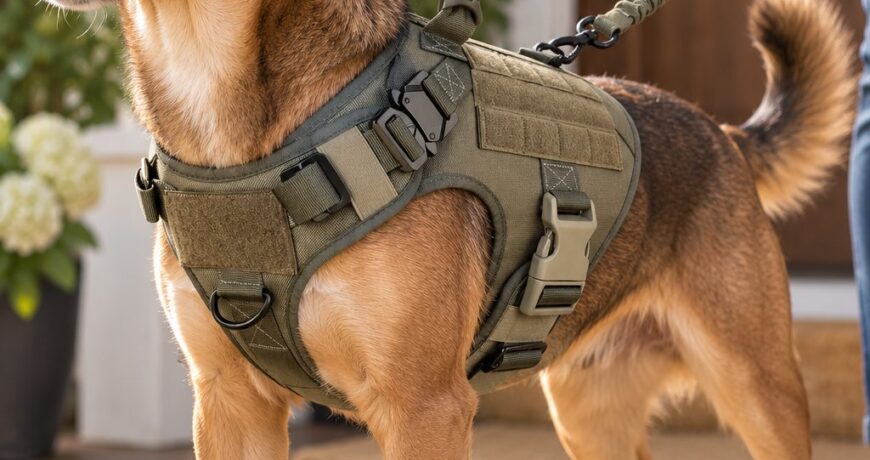
No Pull Dog Harness: How to Pick One That Actually Works
Most harnesses sold as no pull are just a harness. The strap layout is what decides whether your dog can lean into it, and a lot of them are built the same way a sledding harness is built, which is the opposite of what you want on a pavement.
This is what actually matters when you are choosing one, in the order it matters. It is written around the no pull harness we sell, but the thinking applies whichever one you end up with.
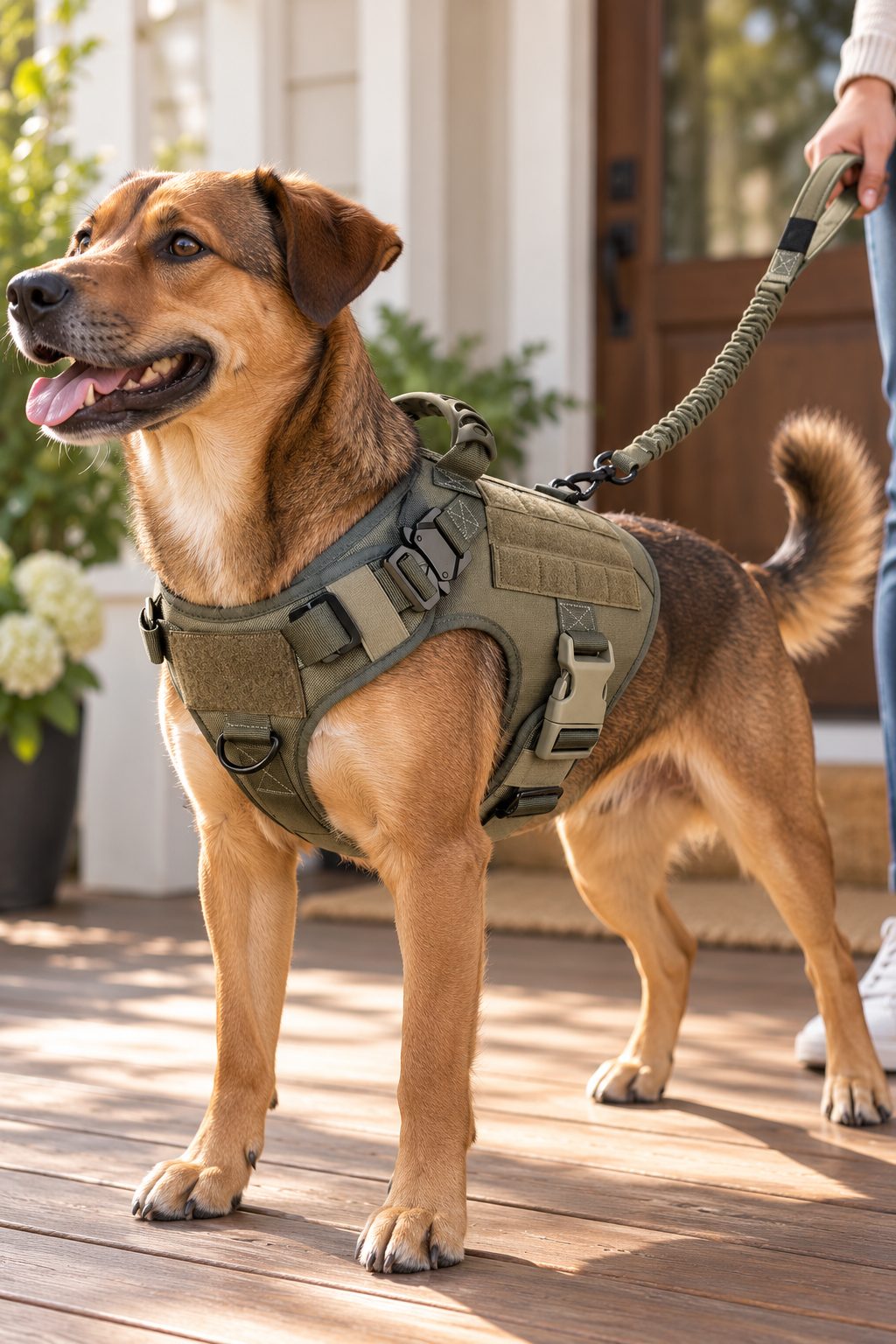
A back clip harness makes pulling easier, not harder
Clip the lead between the shoulder blades and you have handed your dog the best possible leverage. Weight goes through the chest and shoulders, which is the exact anatomy a sled dog uses, and the harder you pull back the harder your dog leans in. That last part is the opposition reflex, and it is instinct rather than defiance.
Testing bears it out. Peak pulling forces measured on back clip harnesses come out higher than on a plain collar, around 199 newtons against 163. A harness meant to make walks calmer can quietly make them worse.
What the front clip actually does
A front ring sits on the chest. When your dog surges forward, the lead turns the body back toward you rather than letting it drive straight ahead. Nothing tightens, nothing pinches. The dog simply cannot get its shoulders behind the pull.
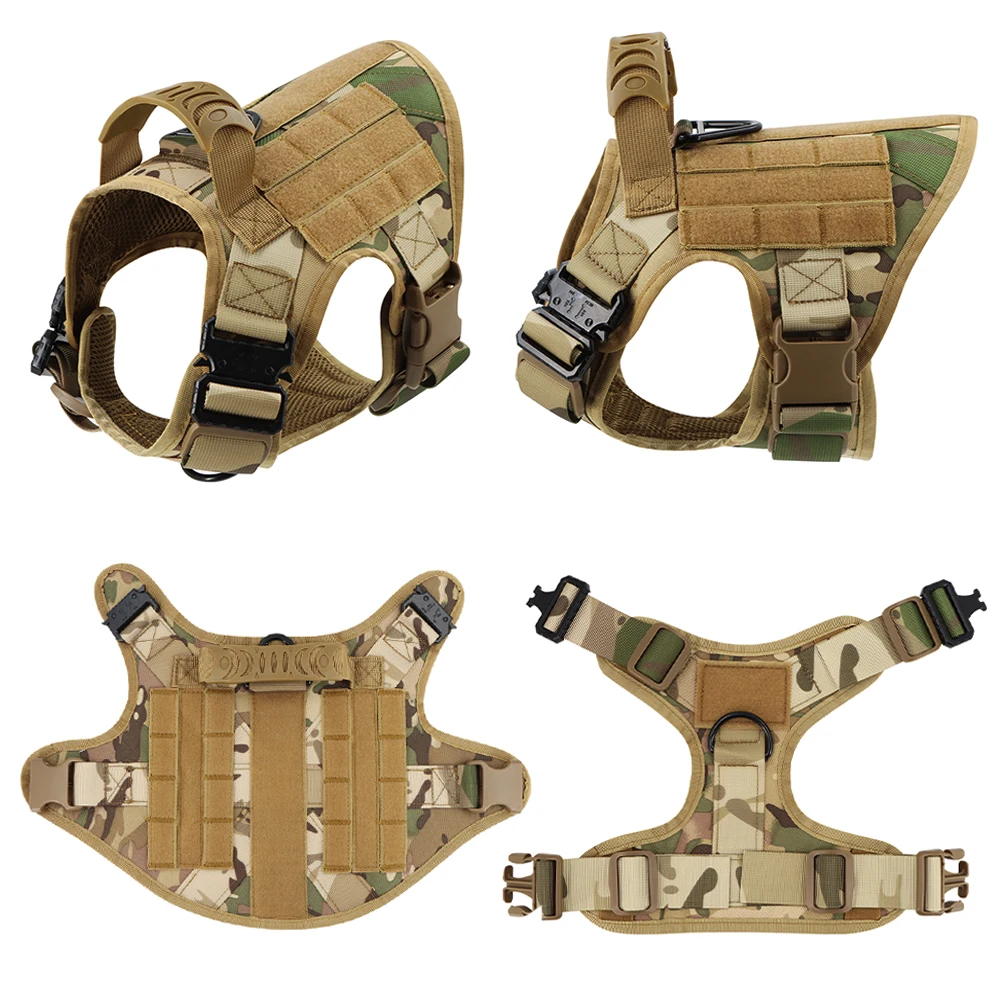
Owners usually notice the difference on the first walk. Reported reductions in pulling force sit somewhere in the range of 60 to 80 percent immediately, and our harness gives you both rings, so you can use the front one while you are working on it and move to the back once your dog walks on a loose lead.
The handle is the part you end up using most
It looks like a detail on the listing. In practice a padded handle across the back is what you reach for when a cyclist comes past too close, when you are lifting an older dog into a car, or when the vet needs your dog to hold still. It turns a harness into something you can steer with for a second or two, which is often all you need.
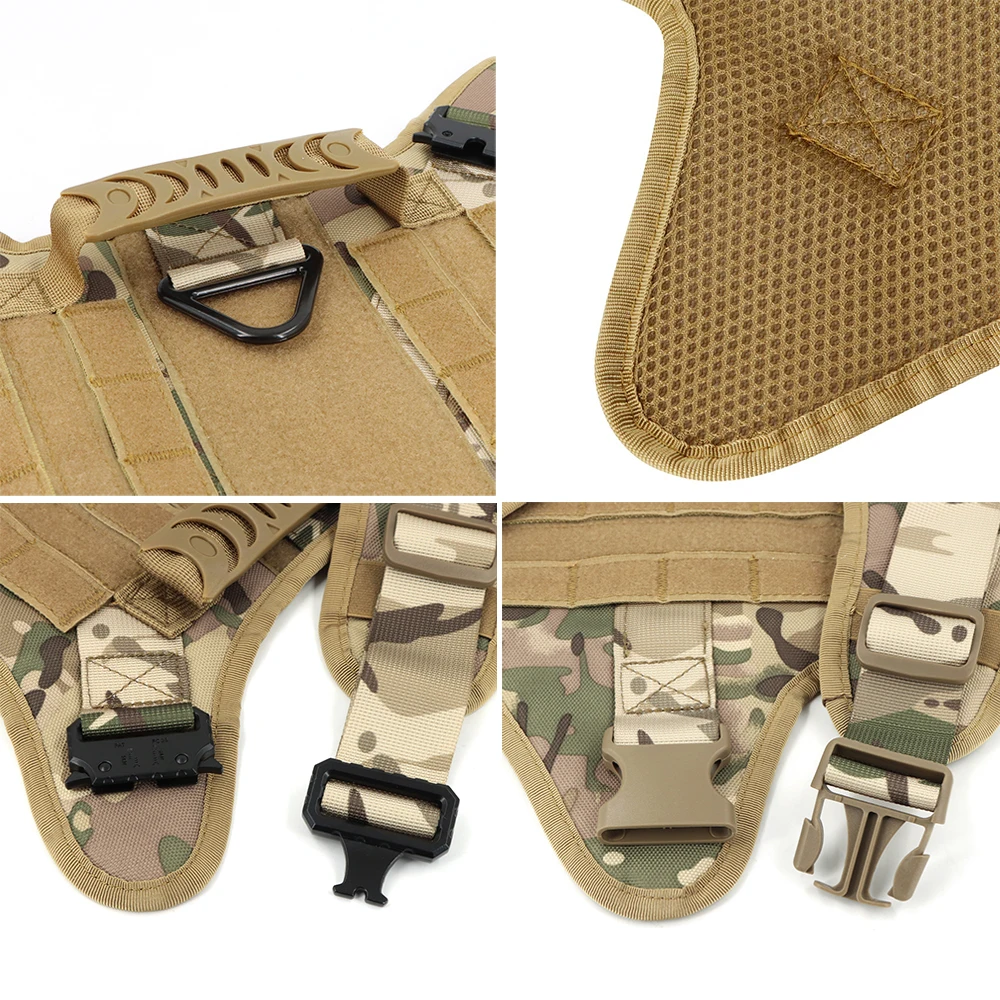
Check that the handle is stitched into the load bearing straps rather than sewn onto the panel. If it is only attached to the fabric shell, it will let go the first time it takes the whole weight of a large dog.
Fit is what makes it work or not
Nearly every complaint about a no pull harness comes back to fit. Measure chest girth just behind the front legs with a soft tape, snug but not tight, and measure neck girth as well. Buy on those two numbers, not on your dog’s weight, because two dogs of the same weight can be shaped completely differently.
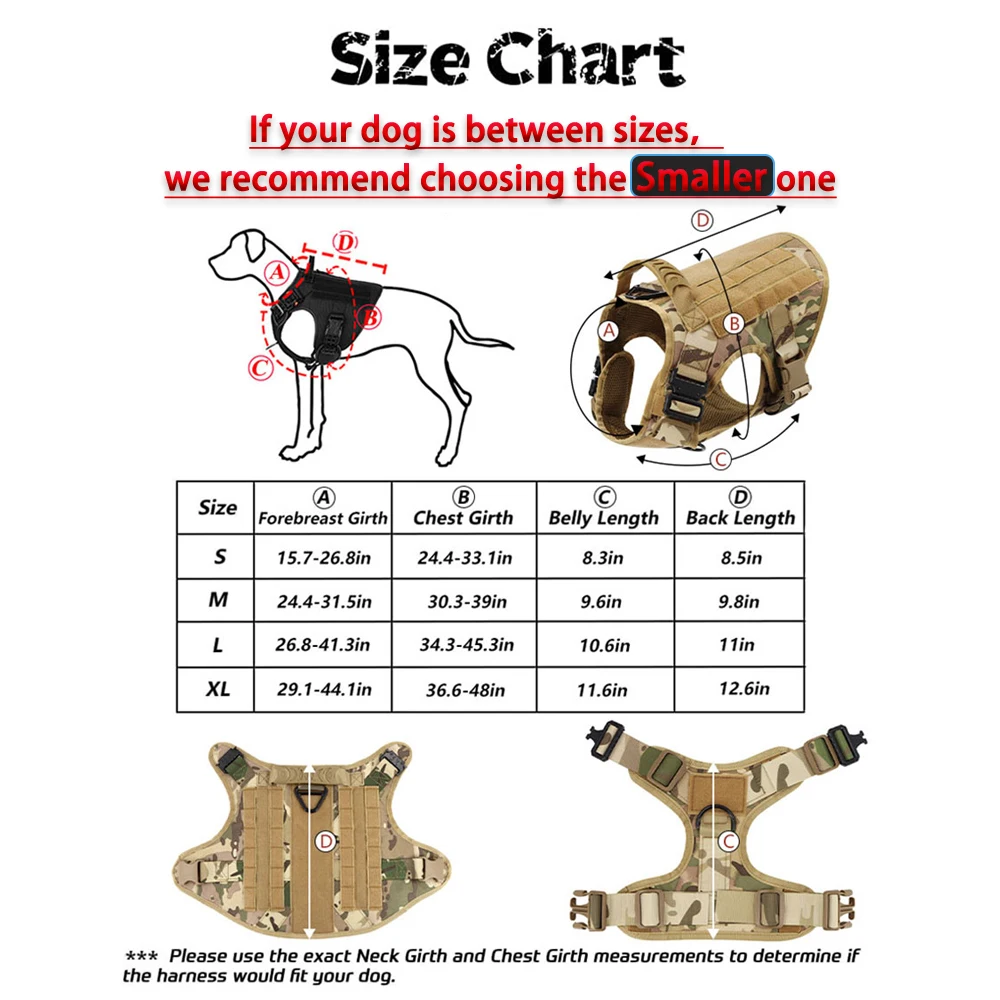
If your dog falls between sizes, take the smaller one and let the straps out. A harness sized up sits loose, rotates as the dog moves, and the front ring drifts off the centre of the chest, which is the thing that makes the whole design work. You should be able to slide two fingers flat under any strap and no more.
Buckles, and where cheap harnesses fail
Plastic side release buckles are the first thing to go, usually on a cold morning when the plastic is brittle and the dog hits the end of the lead. Metal buckles and welded D rings cost more and last. Look at the stitching around the chest ring too: that one point takes the entire force of every lunge your dog makes for the next few years.
The panels on the sides are useful if you want to add a patch or a light, and the reflective stitching matters more than it sounds in a US winter when the afternoon walk is already dark.
Why the leash is part of the answer
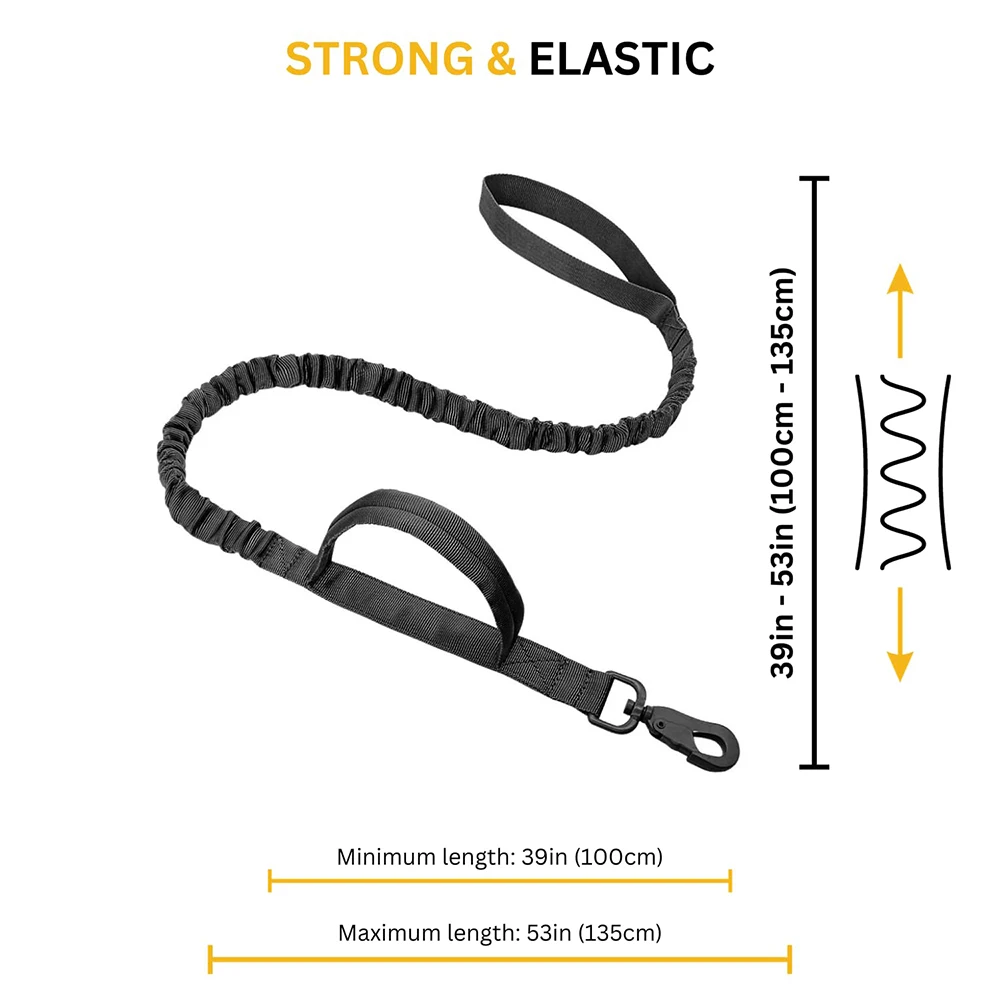
A bungee section in the lead absorbs the shock of a sudden lunge, so the force goes into stretching the elastic instead of into your shoulder and your dog’s chest. Ours runs from about 39 inches relaxed out to about 53 inches under stretch, with a padded handle and a second traffic handle near the clip for close control in a car park.
The harness will not do the training for you
This is the part most buying guides skip. A front clip harness buys you immediate control and a calmer walk from day one, but it manages the behaviour rather than changing it. Dogs that stop pulling for good are the ones whose owners used the calmer walks to practise: stopping the moment the lead goes tight, moving again when it slackens, and paying attention to the dog when it is walking nicely rather than only when it is not.
Give it two weeks of short, deliberate walks and you will see whether the harness is doing the heavy lifting or the training is.
Two weeks that actually change the pulling
The harness gives you a calmer dog to work with. Here is what to do with that, in short sessions rather than long walks.
Days one to three. Put the harness on indoors, feed a few treats through it, take it off. Do that twice a day until your dog pushes its own head into it. A dog that braces against being dressed will brace on the walk too.
Days four to seven. Clip to the front ring. Walk ten minutes, no destination. The moment the lead goes tight, stop dead and wait. Do not pull back, do not say anything. When the lead softens, walk on. You will stop a lot on day four and much less by day seven, and that pattern is the whole lesson.
Days eight to fourteen. Same rule, longer walks, and start paying attention to the dog when the lead is loose rather than only when it is tight. A word and a treat every thirty seconds of good walking teaches far more than any correction does.
Two things sabotage this more than anything else. One is a retractable lead, which teaches a dog that pulling extends the range. The other is letting the rule slide when you are late for something, because a dog that pulls successfully once will try it fifty more times.
What else is worth having on the walk
A collapsible water bowl clips to the harness and folds flat to the size of a coaster, which matters more in summer than people expect. If the walk ends in a car, a waterproof seat cover saves the upholstery from a wet dog, and an orthopedic bed is where an older dog will want to be afterwards.

The rest of the range is in dog supplies and collars and harnesses.
Common questions
Does a no pull harness hurt my dog?
A properly fitted front clip harness does not tighten and does not put pressure on the throat, which is more than can be said for a lead attached to a flat collar. The risk with any harness is a bad fit: too loose and it rubs under the armpits, too tight and it restricts the shoulder.
Front clip or back clip?
Front while you are training, back once your dog walks on a loose lead. Having both rings on the same harness means you do not buy twice.
How do I measure my dog for a harness?
Chest girth just behind the front legs, and neck girth. Use a soft tape, keep it snug, and buy on those numbers rather than on weight. Between sizes, choose the smaller and adjust outwards.
Will my dog still pull with a no pull harness?
Less, usually a lot less, but it is a tool rather than a cure. The dogs that stop pulling for good are the ones whose owners used the calmer walks to practise loose lead work.
Can a puppy wear one?
Once it is out of the fastest growth stage and the harness can be fitted properly. Check the fit weekly on a growing dog, because a harness that fitted last month can be tight across the shoulders this month.
